
CTTransit: A User Guide and Business Development Proposal
User Guide
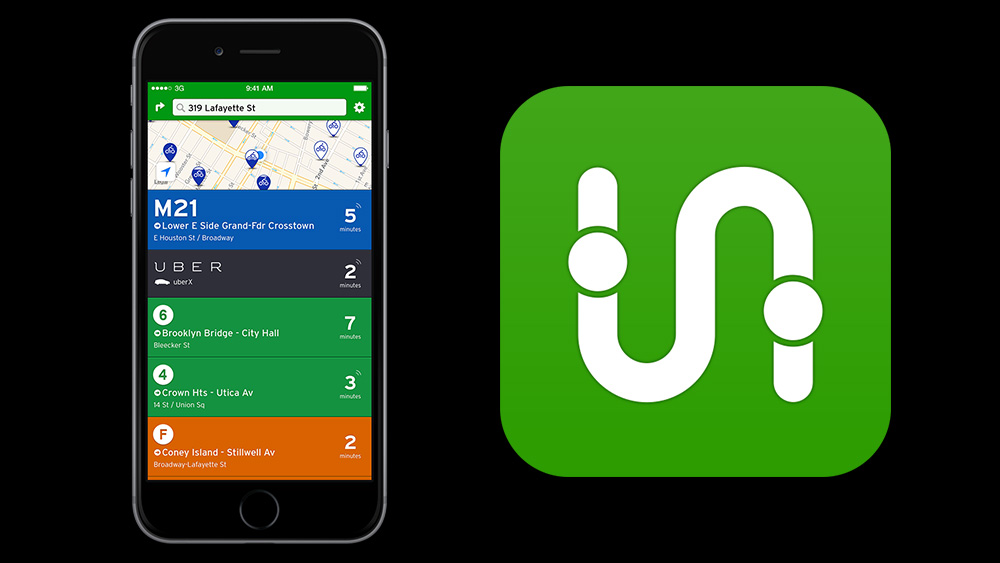
- Download and open the Transit app
- When you open the app, it’ll show you the bus lines operating near your geolocation
- Identify your target bus line depending on where you’re going (use CTRides’ Trip Planner)
- Each data row contains the bus number, direction, and closest pick-up point on the LEFT and the expected wait time for the next arriving bus on the RIGHT.
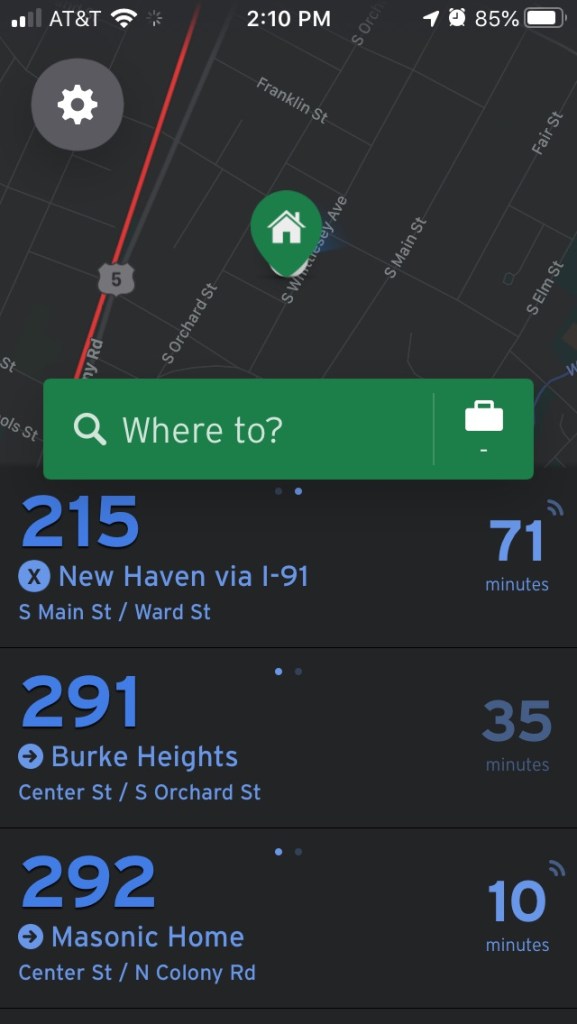
- Wait until the bus arrives. This might be the hardest part (see Pain Points below), but expected wait time reported in the Transit App at least tells you that a bus is in fact coming, at some point, which is at least better than wondering whether you’re waiting for a bus that’s never coming.
- When the bus arrives, get on and pay the fare using either a GoCard or the GoCTCard Mobile App. In either case, money must have been pre-loaded online. (Of course, you could also pay with exact change or with by inserting a ticket, but I don’t know where to buy tickets.)
- Take a seat. You’re riding a bus!
- As you approach the general vicinity of where you want to get off, keep an eye out for bus stops. Pull the yellow cable to request the bus to stop at least a block in advance of where you actually want to get off.
- Get off and go about your life.
Bus Fee
Flat Fee, $1.75
Uber/Lyft
Depends
Car
Car Payment + Car Insurance + Gas + Parking
UX Pain points
- Unreliable, delayed
- The Transit app calculates estimated arrival time based on the geolocation of the buses and their distance from the geolocation of your device.
- Hot tip: the buses almost never arrive when the app says they’re going to arrive–the app might tell you that the bus is 1 min away for 5 minutes
- Where we wait
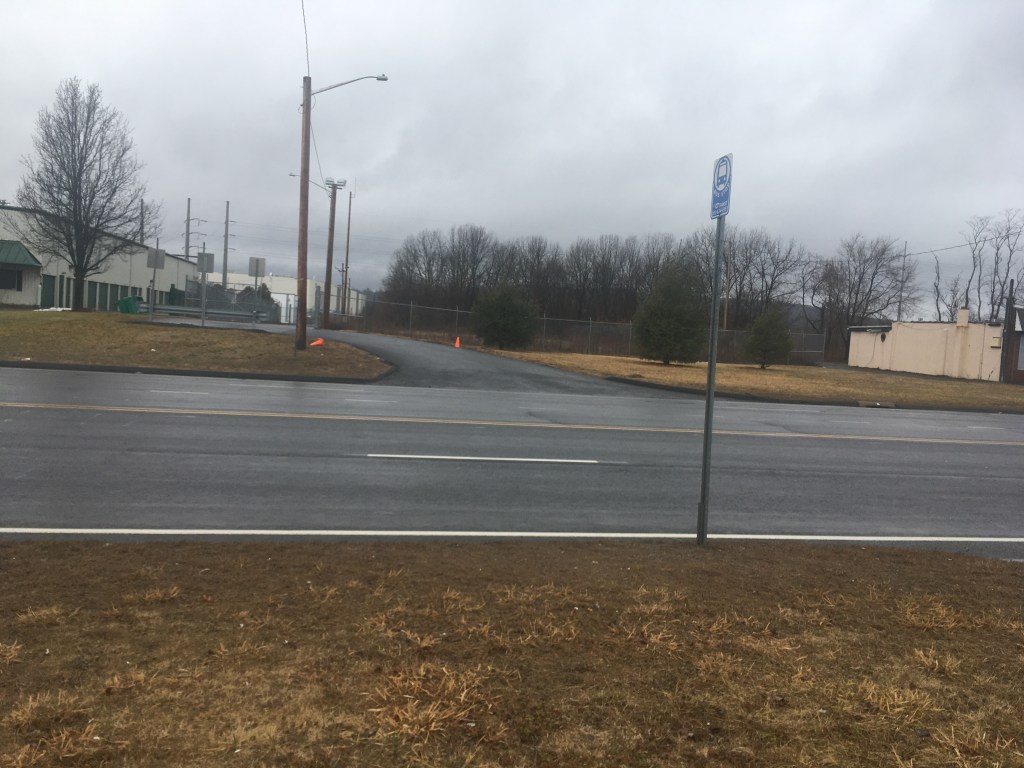
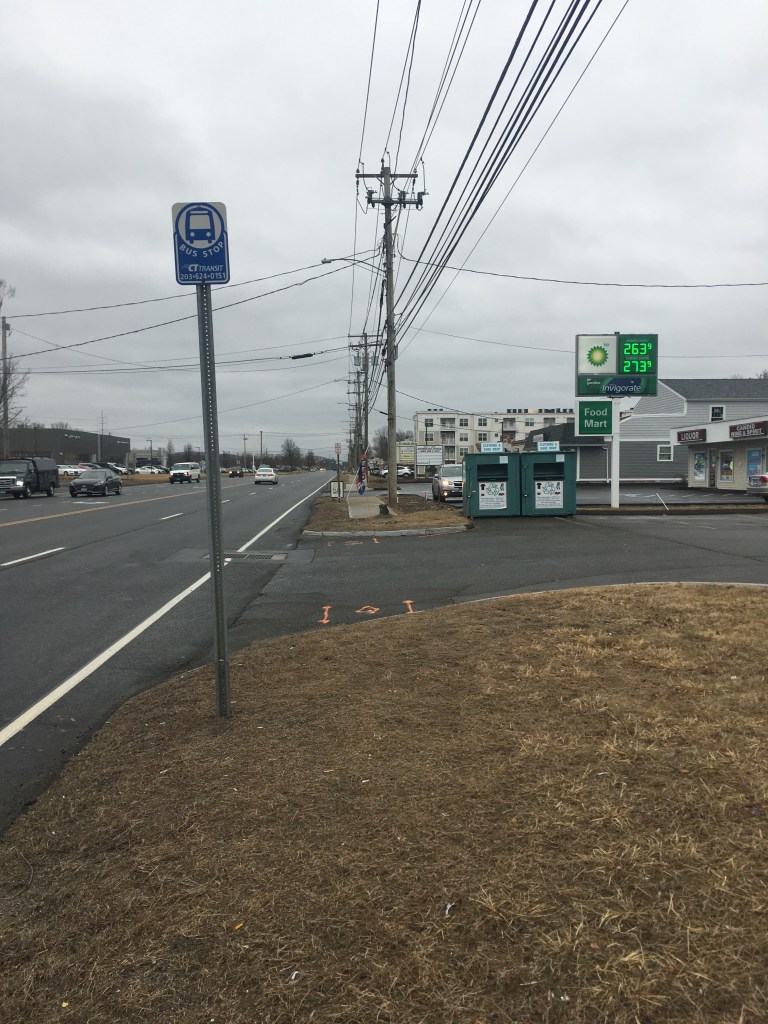
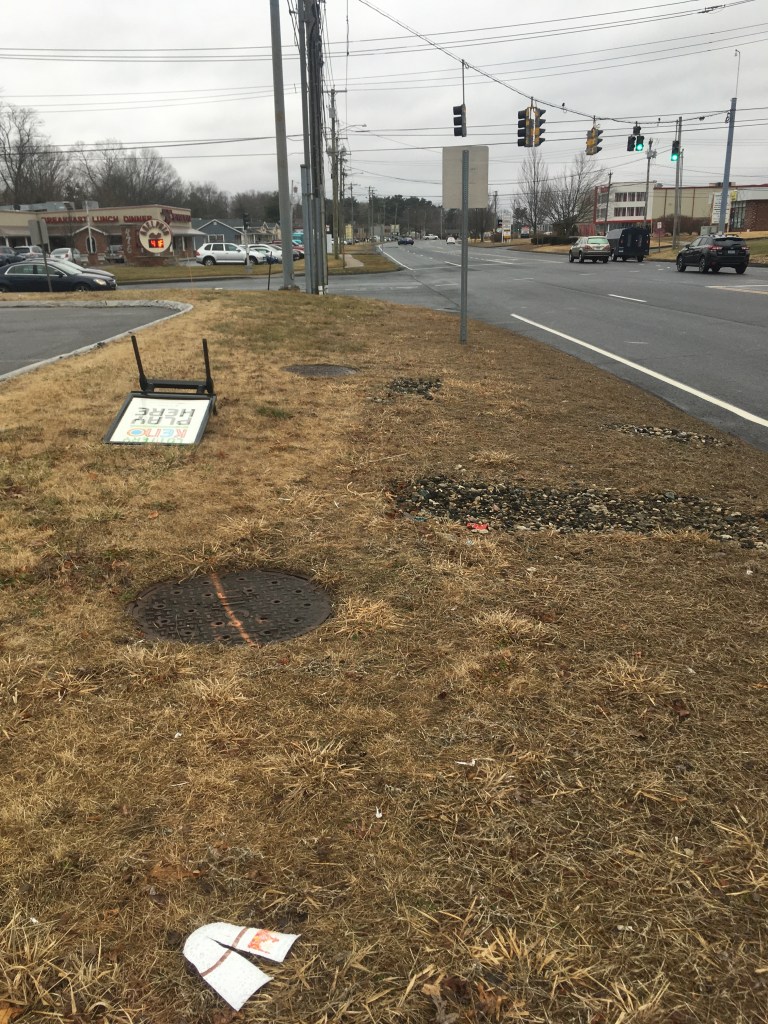
- Bus stops along CTTransit’s local service routes vary by town
- Ultimately, it’s a land use overlap that falls through the federalism cracks–bus stops aren’t nice unless towns make them nice (for the sake of their residents), but towns have to ask permission of the State DOT in order to make stops nice because, especially along state highways like Route 5, the State owns and controls the land surrounding their bus stops.
- Hygiene
- Coronavirus aside, the Buses about as clean NYC subway cars (choose how to judge that metric). People cough and touch things and sneeze, naturally. It is still public transit.
- There’s a no-eating policy posted on bus signs, but I’ve personally seen people eat everything from potato chips, to pizza, to chicken wings.
- Optics
- Picture this–person is waiting for the bus on a bare patch of land clearly not designed for standing and waiting as the elements and the flow of traffic rush past. “Poor sap,” people must think as they drive past me, “it must be cold.”
Given the delays, given the undignified waiting posts, given the exposure to germs, given extended time, those with market choice opt to drive single passenger vehicles 100% of the time.
I have market choice despite not having a car. I could take Uber/Lyft, but I live a block away from a bus that takes me two blocks from school, and I committed to undertaking this UX investigation of the CT Bus System. So, I *choose* to be bus rider.
For many of my fellow bus riders, however, the bus is their only option.
Just given the pain points I’ve experienced–which could be way worse if, for example, I had to take multiple buses, walk long distances to get to the bus, or had to plan my trips to arrive at or before specific times–the bus experience along local routes leaves much to be desired.
UX Enhancements
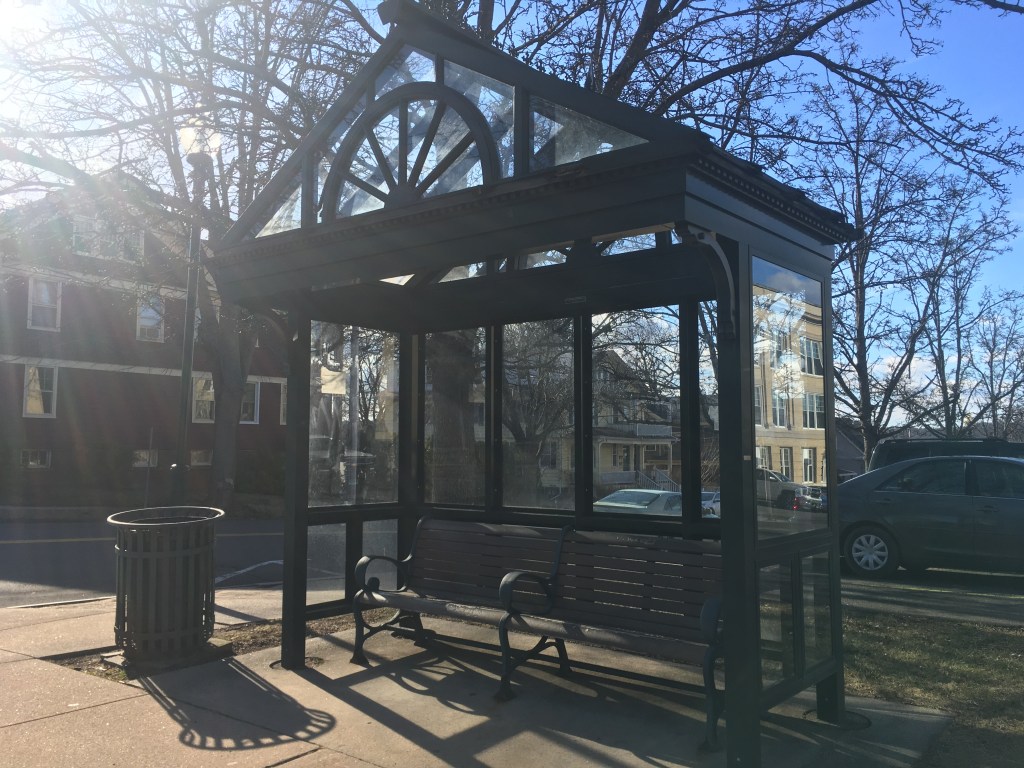
- Delays wouldn’t be so bad if there were infrastructure in place to make for better waiting experiences—i.e., sheltered structures at fewer, better stops.
- Germs are part and parcel of public transportation, but buses could feature hand sanitizer, tissues, and trash cans, and bus drivers and other passengers could be better about enforcing the no-eating policy and not traveling when sick
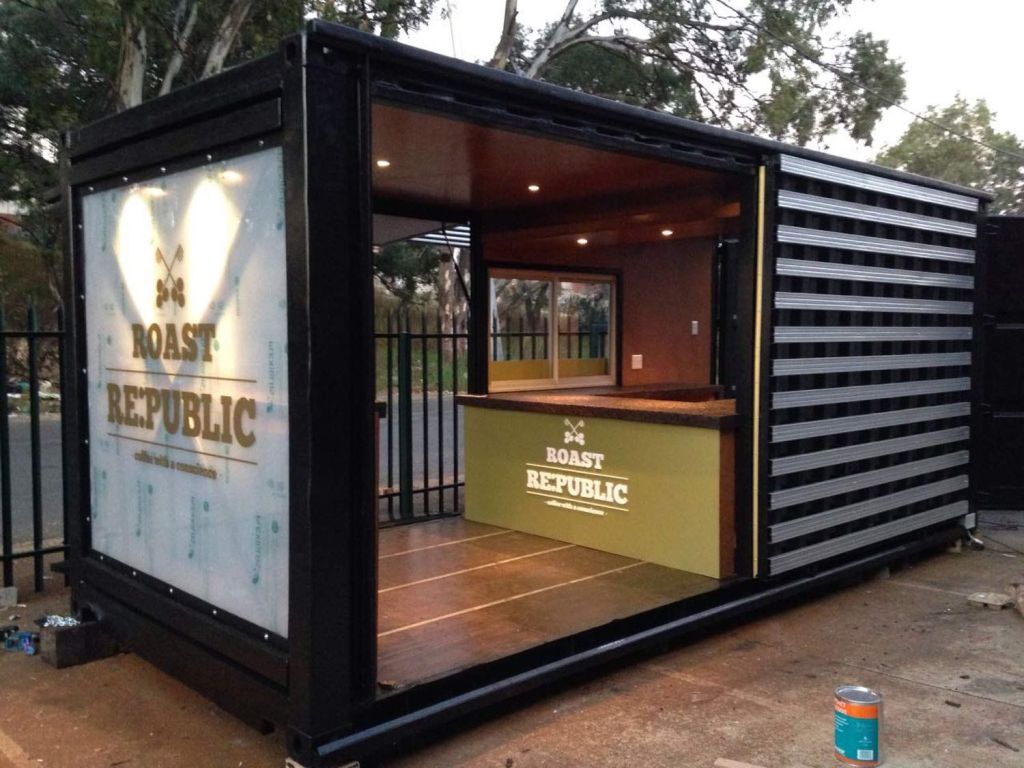
Business Opportunity––Bus Stop Kiosk Cafes
Bus Stop Café—cafes are the most basic placemaking tool!
Idea: CT Department of Transportation and the towns along popular local bus routes could pre-permit/license kiosk cafes and lease them to cafe franchisees, maybe with subsidies from CT Department of Economic and Community Development.
These kiosks would be located at 2-3 strategic stops in each town along local service bus routes. Their strategic locations would condense several minor pickups into fewer, more centralized pickup spots for the buses.
The cafes operating out of the kiosks would generate economic activity for small businesses and nearby neighborhoods, create jobs for 2-3 baristas, and create pleasant waiting experiences and socializing opportunities for bus passengers.
At a minimum, these cafes could offer vending machines, coffee, or tea, and much needed shelter from the elements. Additionally, kiosk cafes could support dozens of service partnerships to enhance the rider experience.
Ancillary Opportunities
- + Uber Eats Food-delivery services like Uber Eats could deliver robust snacks and meals on the go from nearby restaurants to passengers who’ve ordered ahead from their phones and pick up at the kiosks before getting on the bus.
- Story: passenger orders a breakfast burrito from a nearby diner while en route to the bus stop, Uber Eats driver delivers the burrito to the kiosk, passenger arrives at the kiosk and picks up burrito before then catching his bus.
- + First 5G network The cafe kiosks could offer Governor Lamont a small, controlled network of locations to roll out 5G. By leveraging CT DOT’s control of bus stop locations and CT DECD’s financial subsidy of the kiosk construction and cafe operations, the Governor could experiment with rolling out 5G along bus routes.
- + News Stand—The cafe kiosks could host digital news boards that post top headline stories for general citizen education, alert passengers to local jobs, events, and weather forecasts, and offer the government a more direct way to disseminate PSAs. Advertisers could pay franchisees to place their ads on these boards.
 Katherine McComic